INTEGRATED ITINERARY (12 DAYS + SHORT VERSION)
Focus cities: Essaouira, Agadir, Ouarzazate, Merzouga, M’Hamid
Overview
- Best time to go: March–June or September–November (mild on coast and in the desert).
- Pace: Relaxed. Two yoga sessions daily (morning and sunset), cultural workshops, ample downtime.
- Suggested arrival airport: Agadir (AGA). We can arrange from any Moroccan airport.
- Transport: Private car between cities; 4x4 in the desert.
- Stays: Coastal riads and boutique guesthouses; comfortable desert camps under the stars.
Program details
Day1
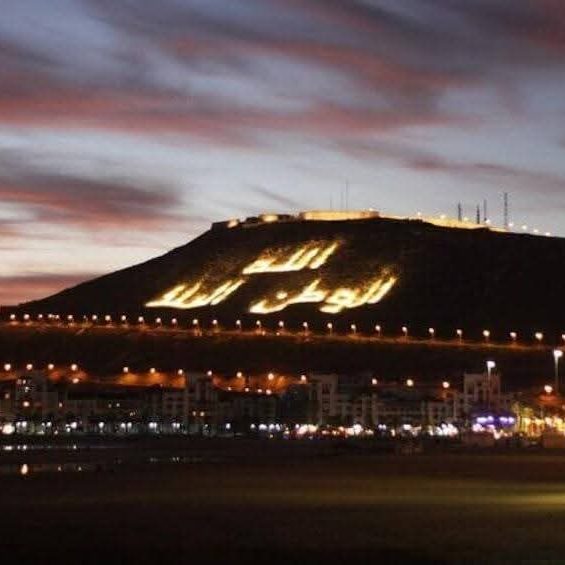
Arrival in Agadir, transfer to Essaouira
- VIP airport meet and private drive to Essaouira (about 3 hours).
- Check in to a calm riad inside the medina walls or near the beach.
- Gentle sunset yoga on the rooftop or beach.
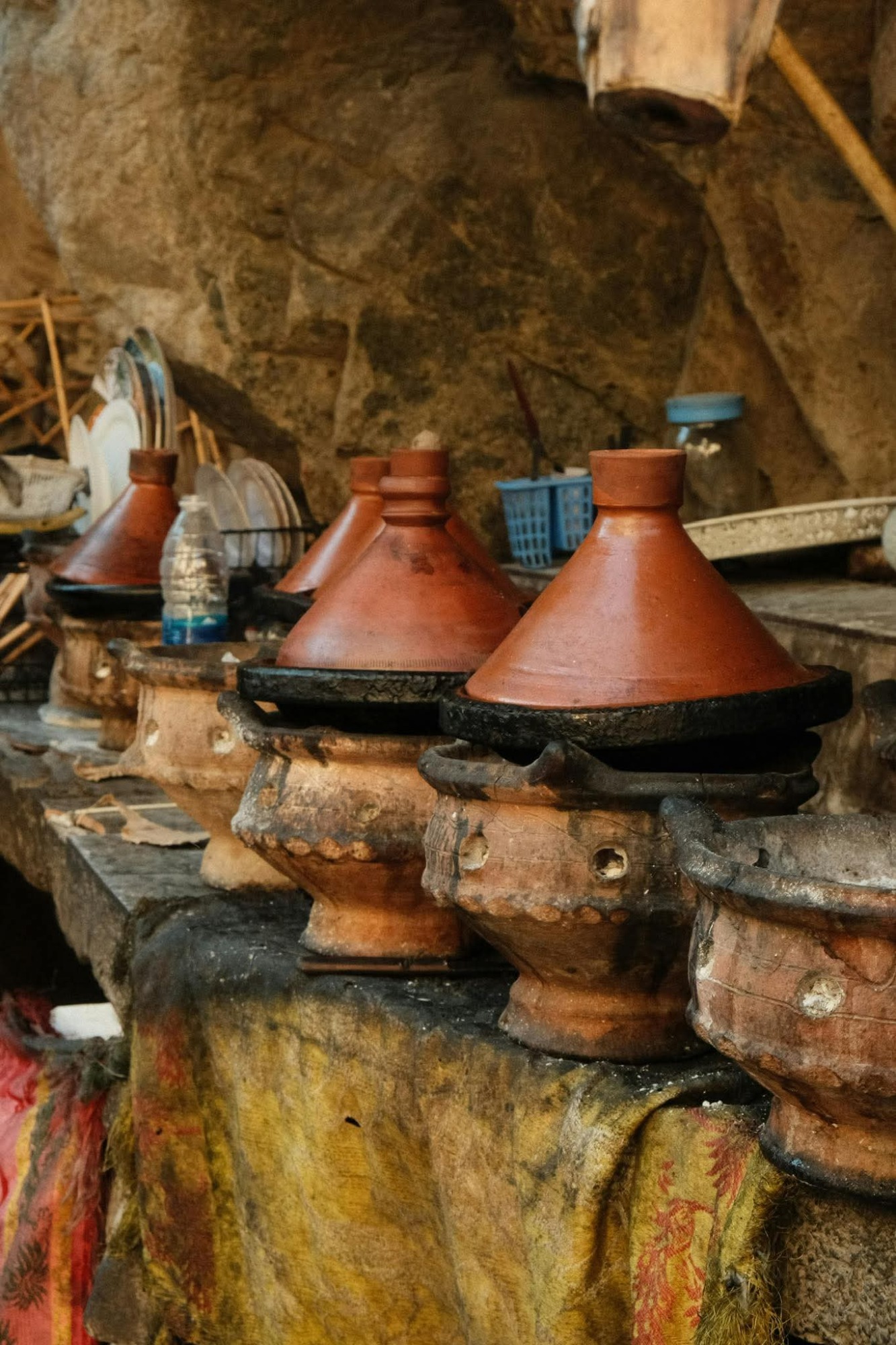
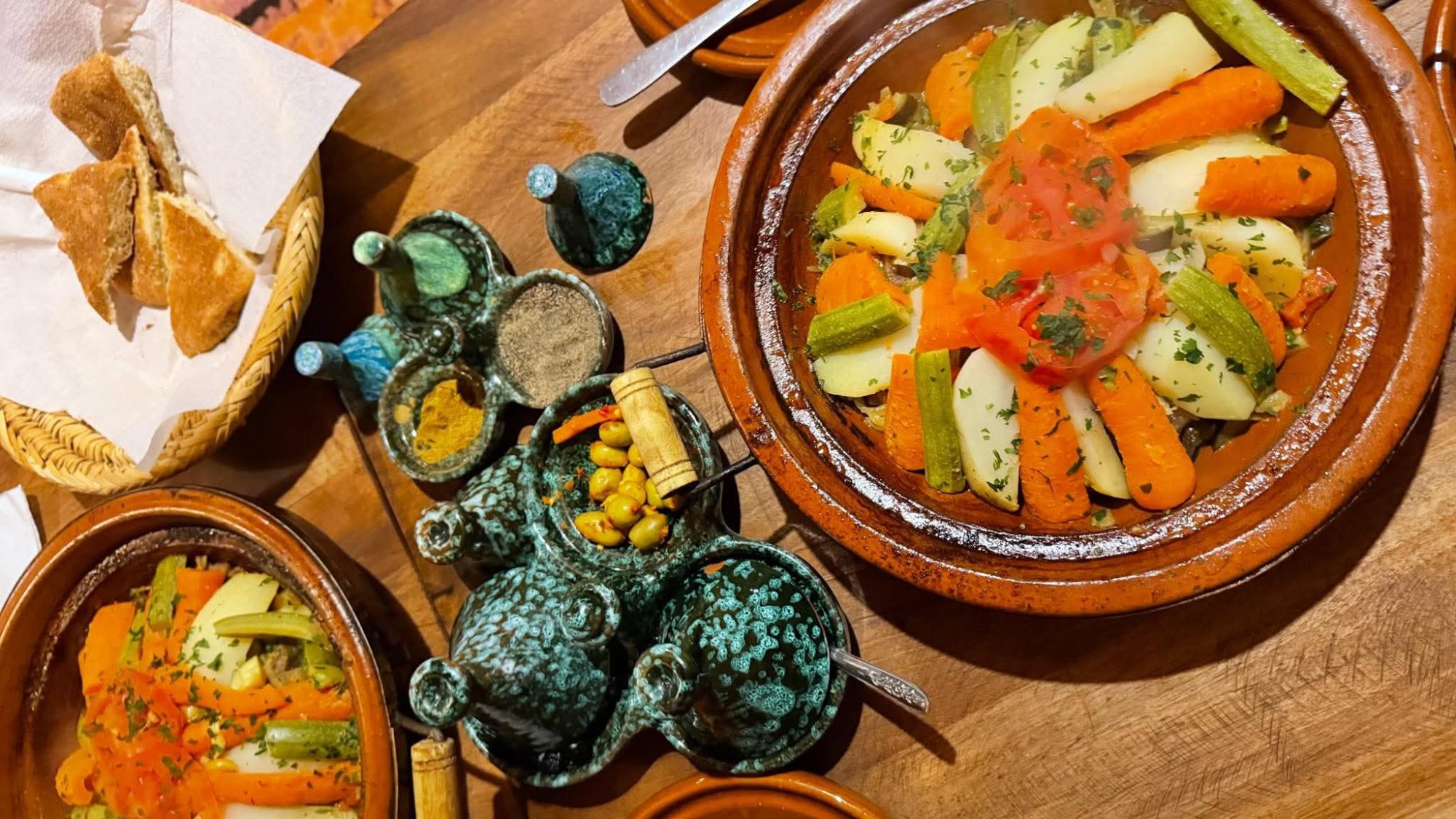
- Welcome dinner: fresh catch or fish tagine with preserved lemon.
Day2
Essaouira: Thuya wood and seafood cooking class
- Morning yoga with ocean-breeze breathwork.
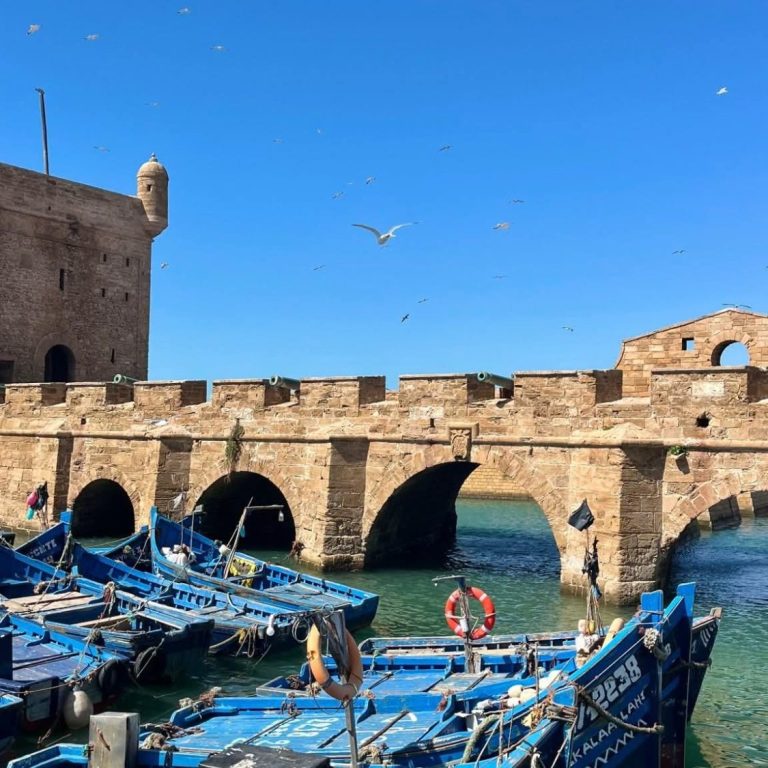
- Port visit to choose fish with the chef; cooking class: fish tagine or seafood pastilla + zaalouk salad.
- Thuya wood inlay workshop: learn basics and make a small box keepsake.
- Moroccan hammam and relaxation (scrub + argan oil).
- Sunset walk on ramparts and sandy beach.
Day3
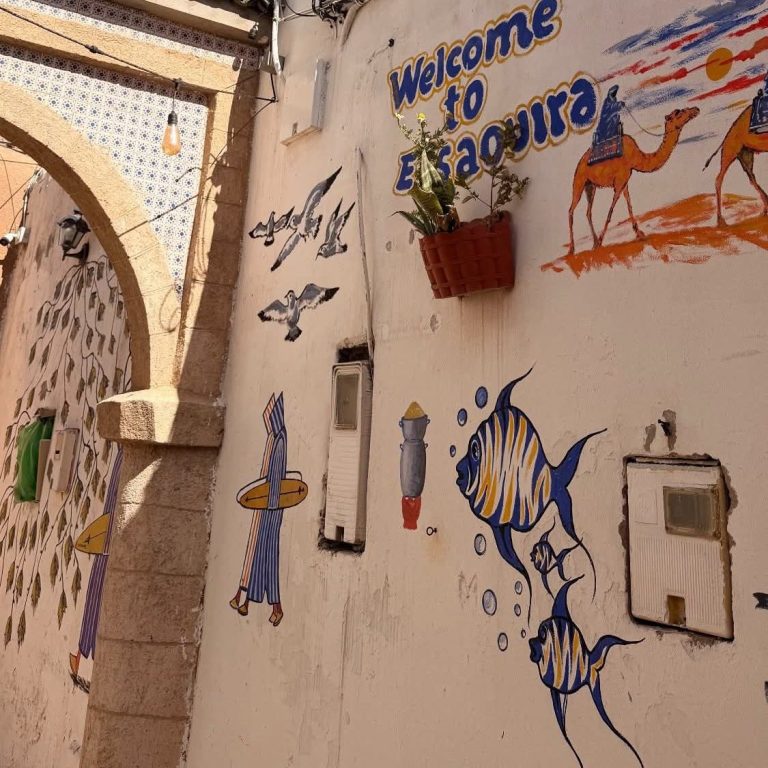
Essaouira: Argan cooperatives and Gnawa
- Sunrise yoga on the beach or dunes near Sidi Kaouki.
- Visit a women’s argan cooperative: hands-on oil extraction and blending aromatic oils/soaps.
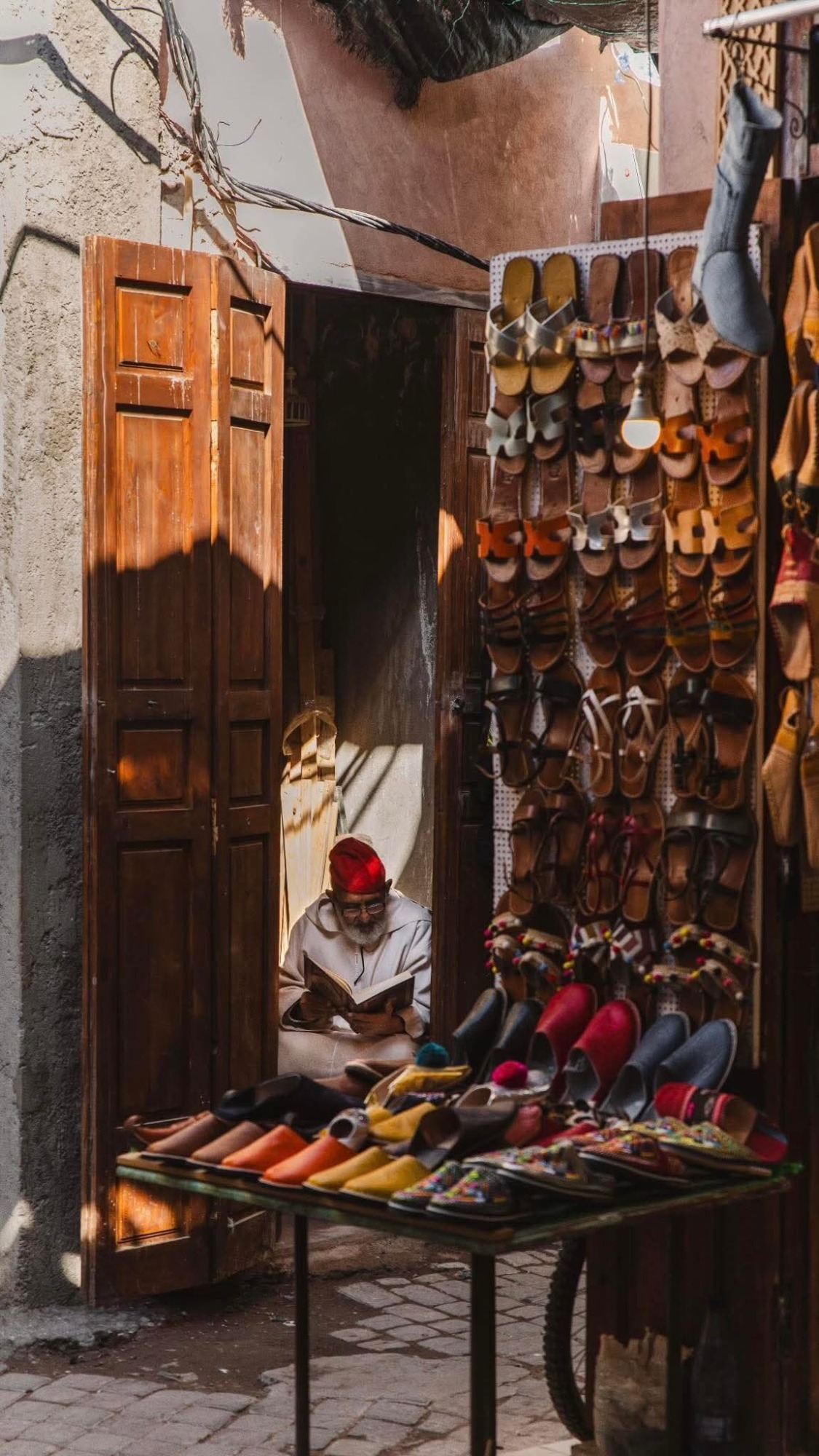
- Free time to shop: leather, pottery, light caftans.
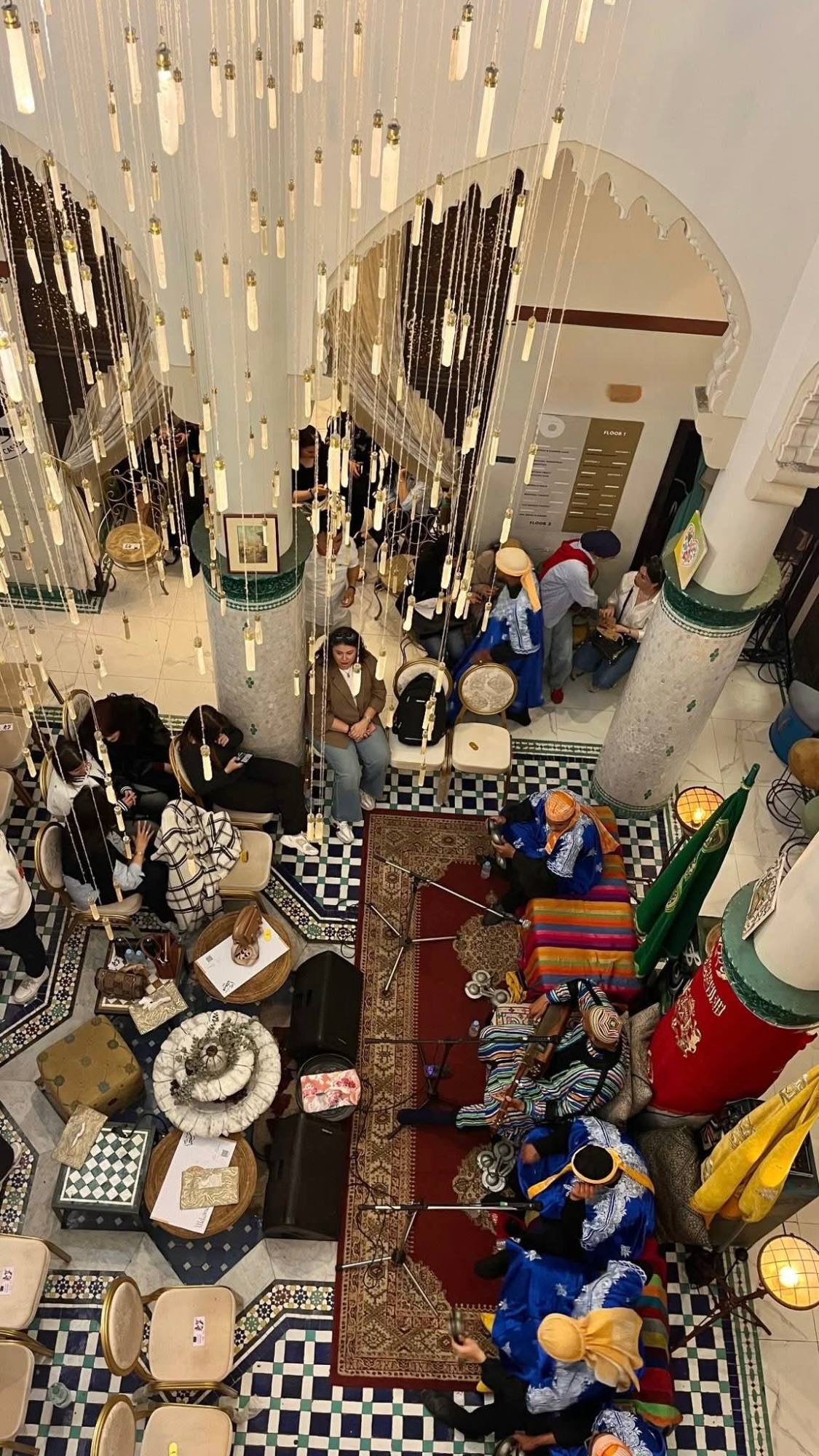
- Live Gnawa evening with mint tea (we guarantee the groove will be higher than your stress levels!).
Day4
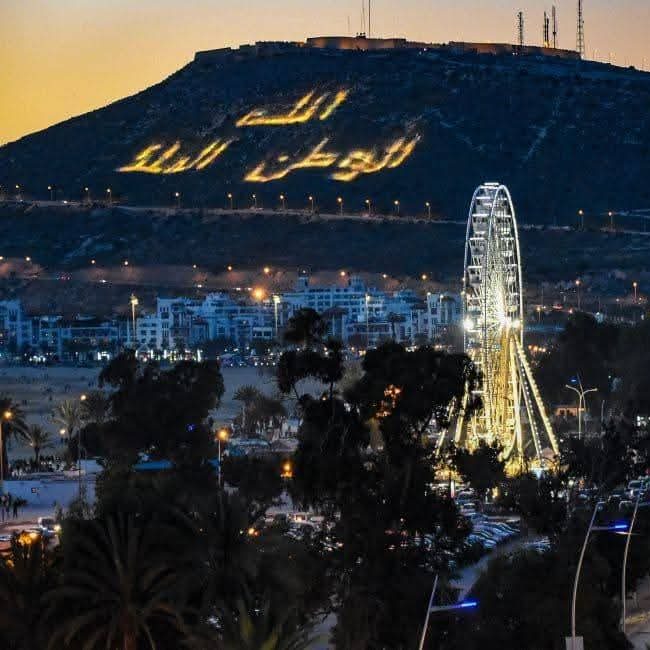
Essaouira to Agadir
- Drive to Agadir (about 3 hours), optional stop in Tamanar for argan products.
- Check in near Agadir’s seaside promenade.
- Sunset yoga on the beach or in the hotel gardens.
- Dinner with Amazigh flavors: lamb tagine with prunes or chicken with preserved lemon.
Day5
Agadir: Souk El Had and Paradise Valley
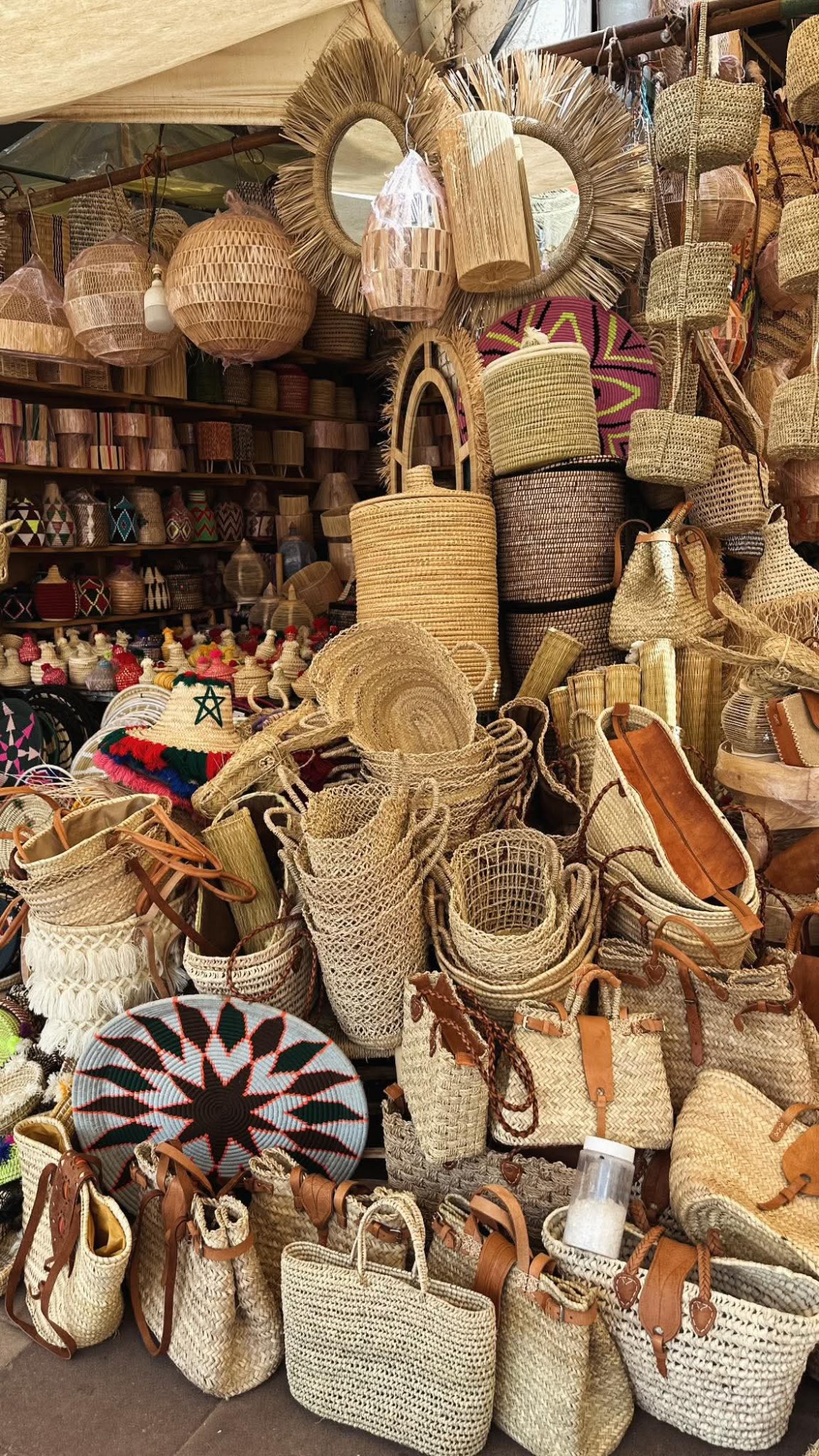
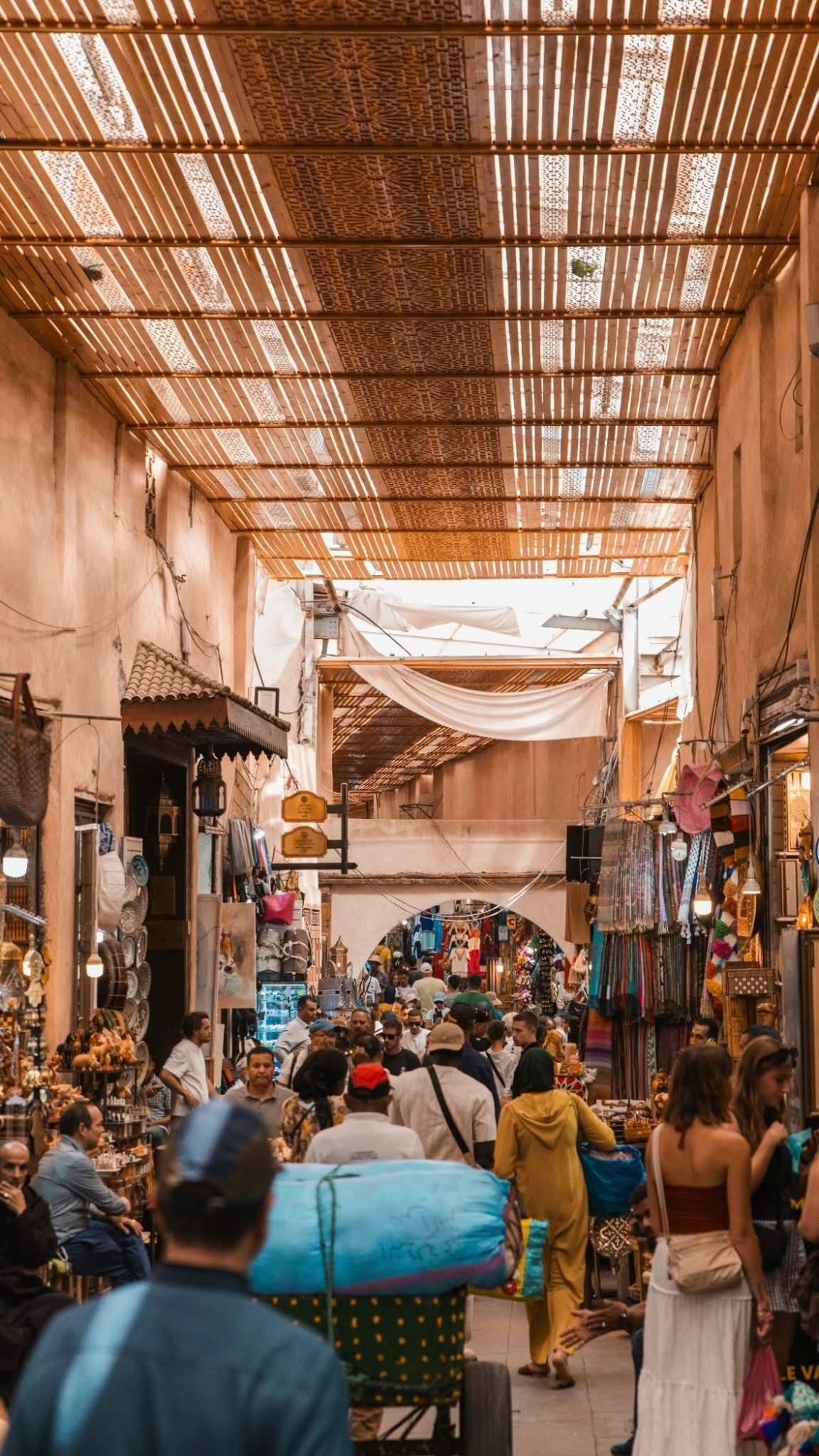
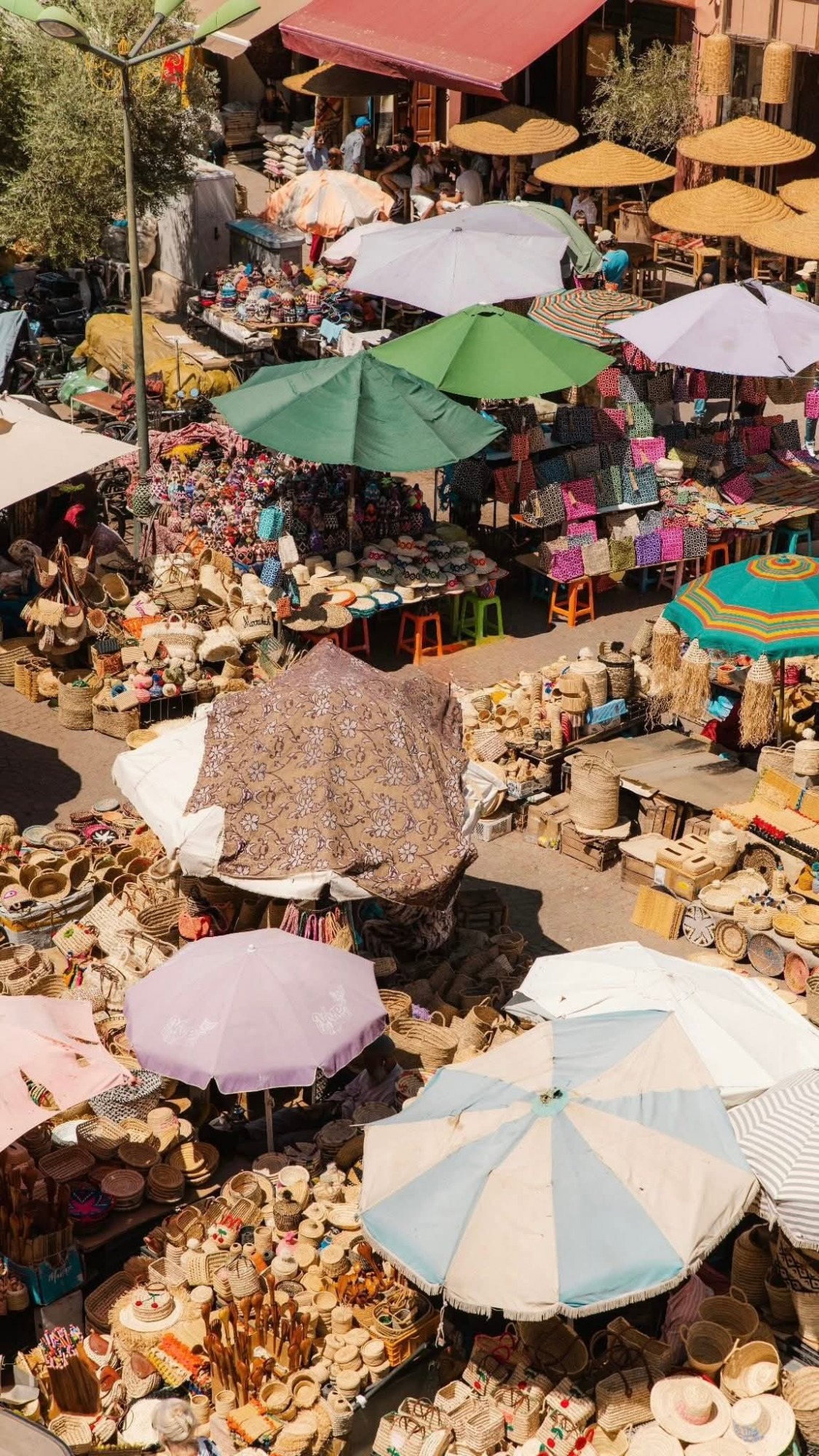
- Morning yoga, then Souk El Had: spices, pottery, baskets, local produce.
- Half-day trip to Paradise Valley: easy walk, natural pools swim, meditation among palms.
- Cooking class: “Agadiri fish tagine” or harira + chicken pastilla.
- Evening spa or Moroccan hammam.
Day6
Agadir to Ouarzazate via Taroudant, Taliouine, Taznakht
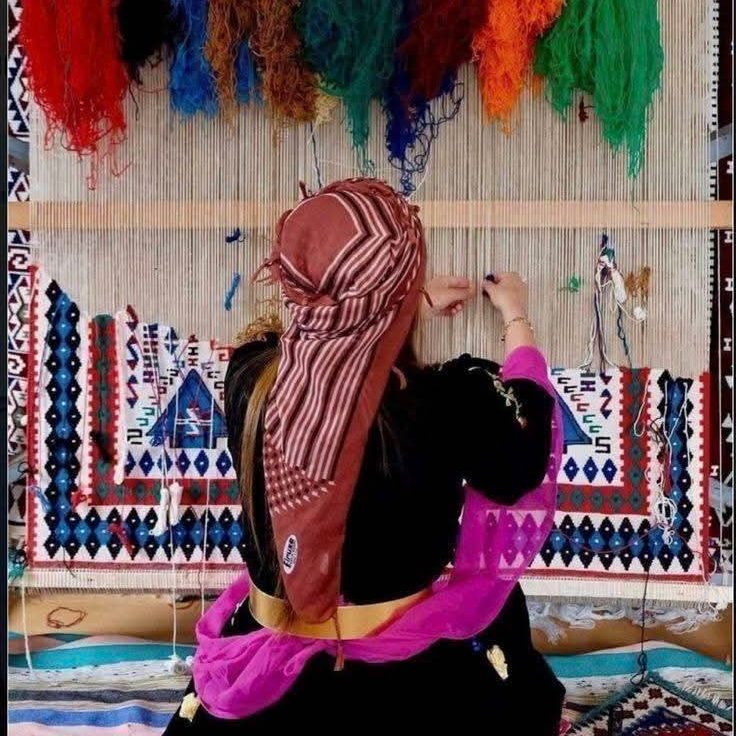
- Scenic road (5–6 hours): Stop in Taroudant (ramparts and souks), Taliouine (saffron), Taznakht (rugs).
- Amazigh rug-weaving workshop in Taznakht: try traditional knots and color patterns.
- Arrive Ouarzazate, evening stroll at Taourirt Kasbah; gentle pre-sleep yoga.
Day7
Ouarzazate & Aït Ben Haddou
- Morning yoga, then film studios and the Cinema Museum.
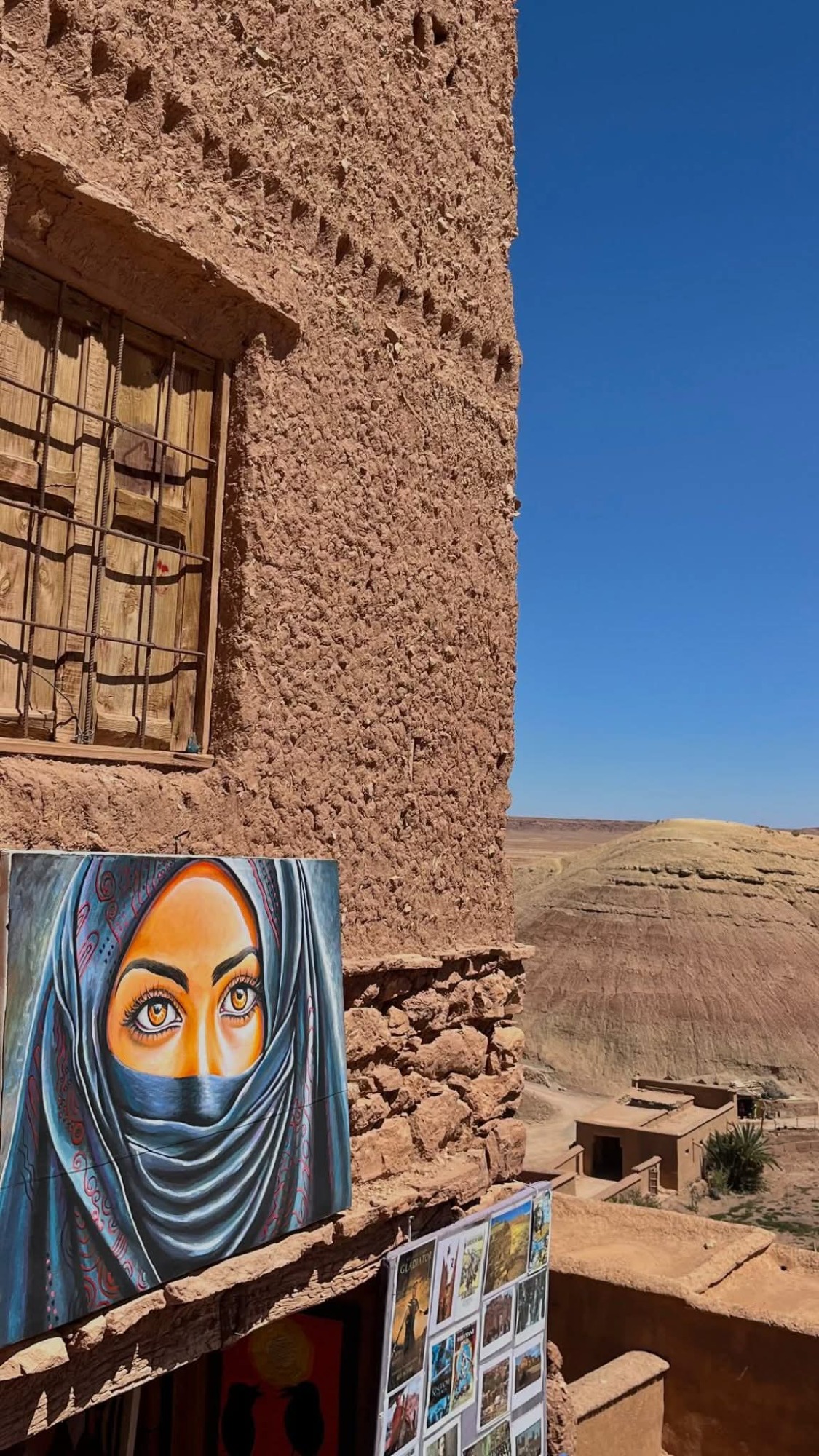
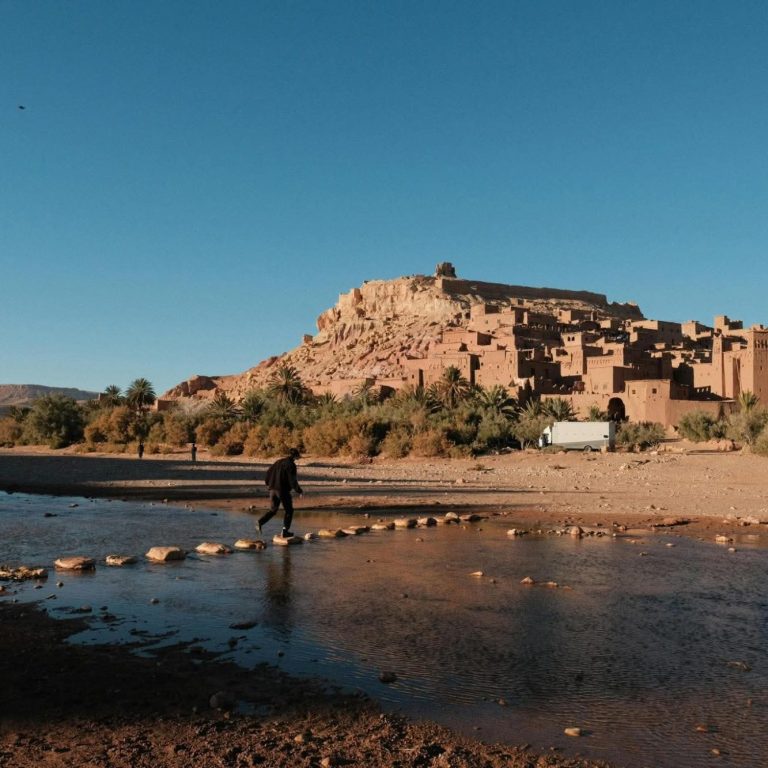
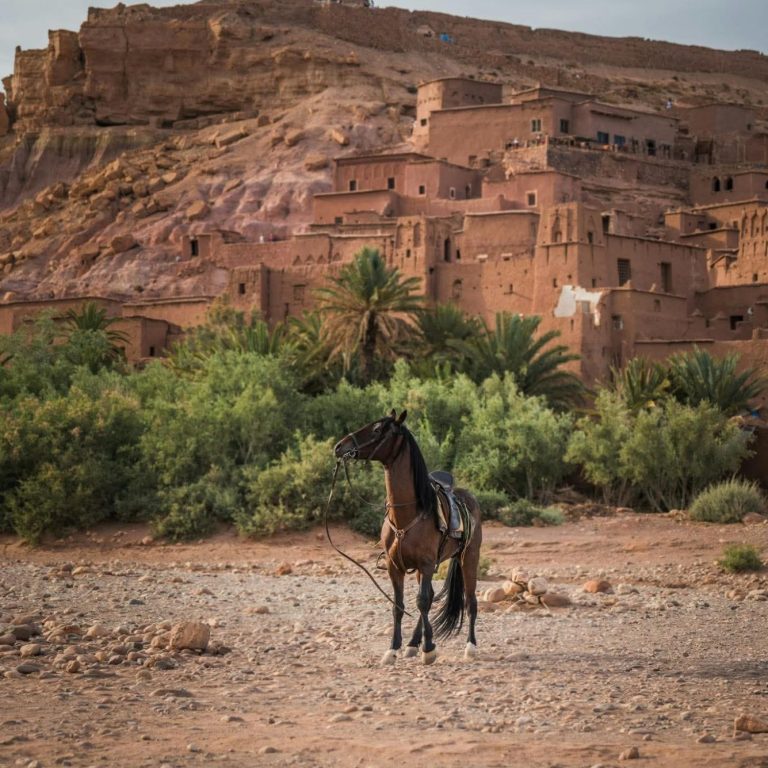
- Tour Aït Ben Haddou (UNESCO site); contemplation by the river.
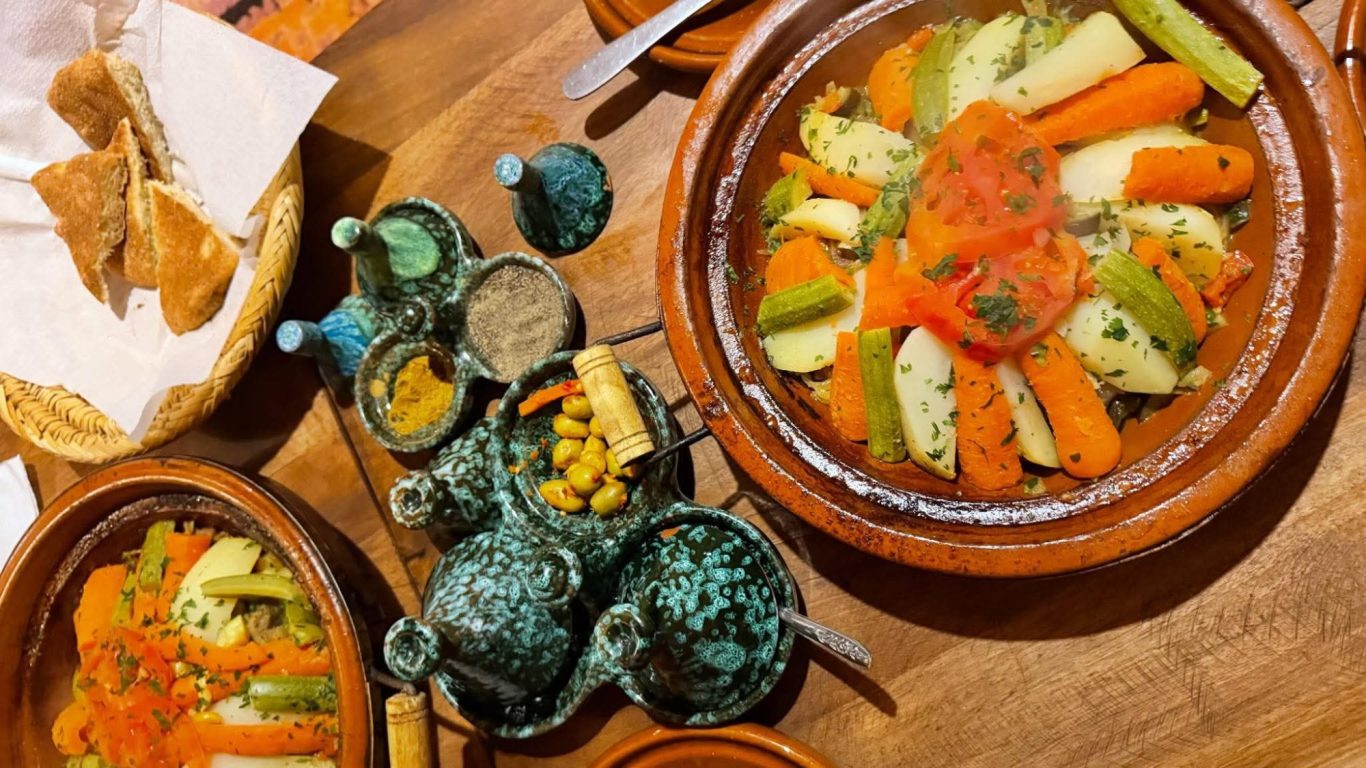
- Cooking class: full Friday couscous with seven vegetables.
- Short Amazigh music set after dinner
Day8
Ouarzazate to M’Hamid (Desert gateway) via Tamegroute
- Drive to M’Hamid (about 5 hours) via Zagora.
- Stop in Tamegroute: green pottery workshop and the historic manuscript library.
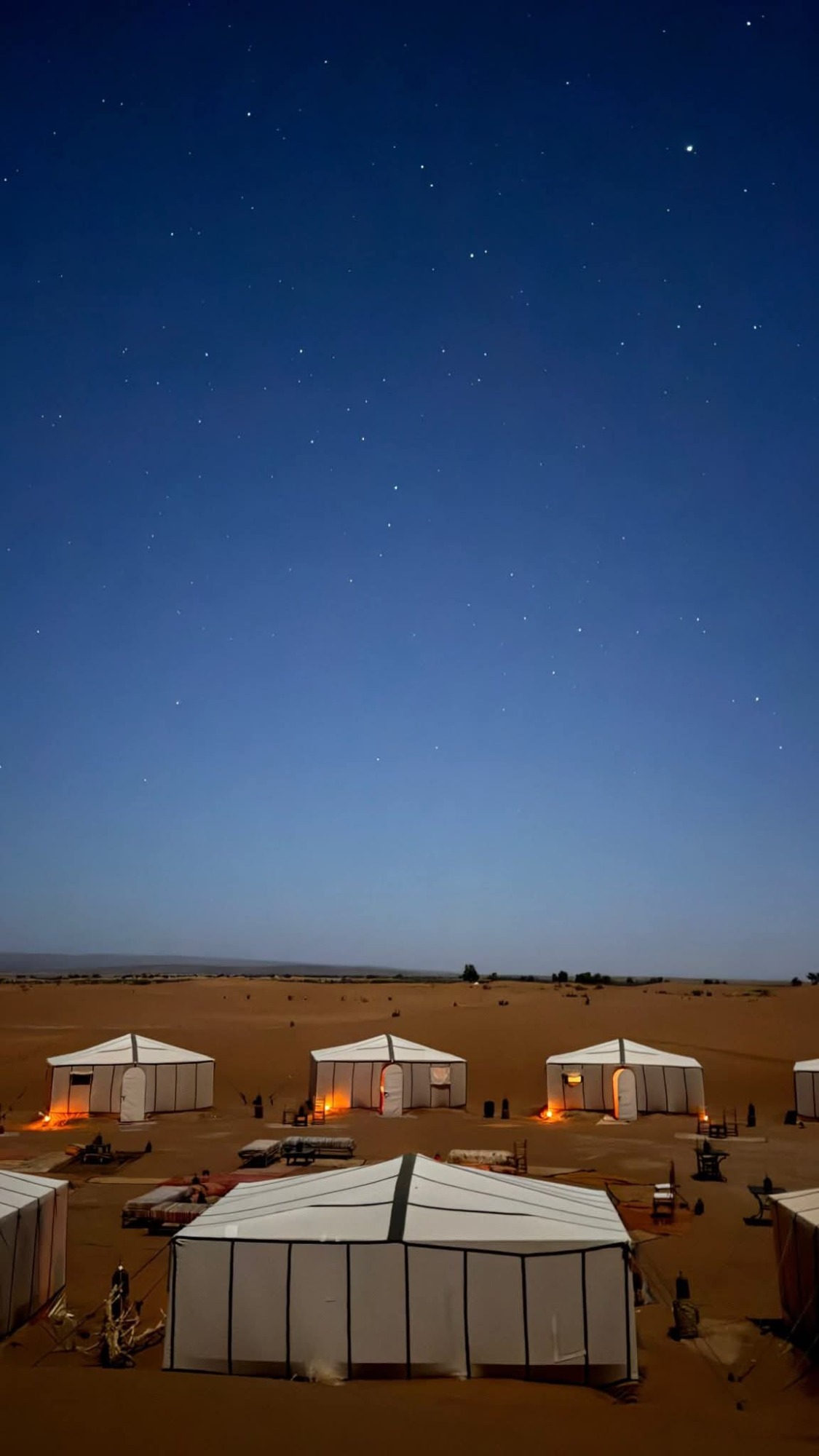
- Switch to 4x4 into Erg Chigaga area; welcome at desert camp.
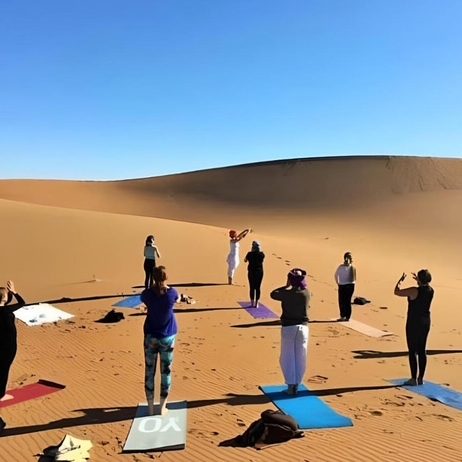
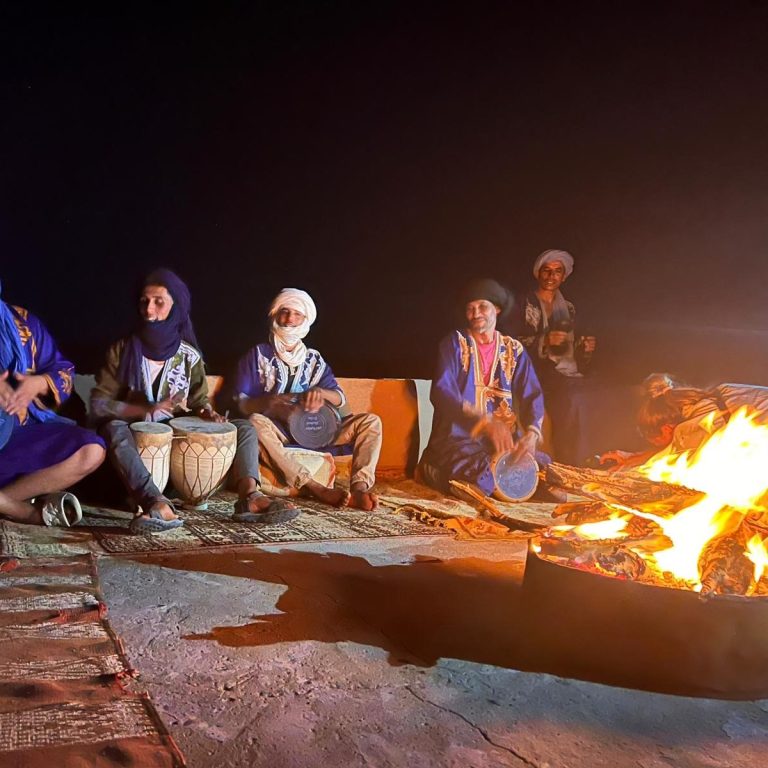
- Sunset yoga on dunes, then drums and campfire under the stars.
Day9
M’Hamid: A day of desert life
- Sunrise yoga on sand; gentle grounding practice.
- Bake “sand bread” and learn Saharan tea techniques.
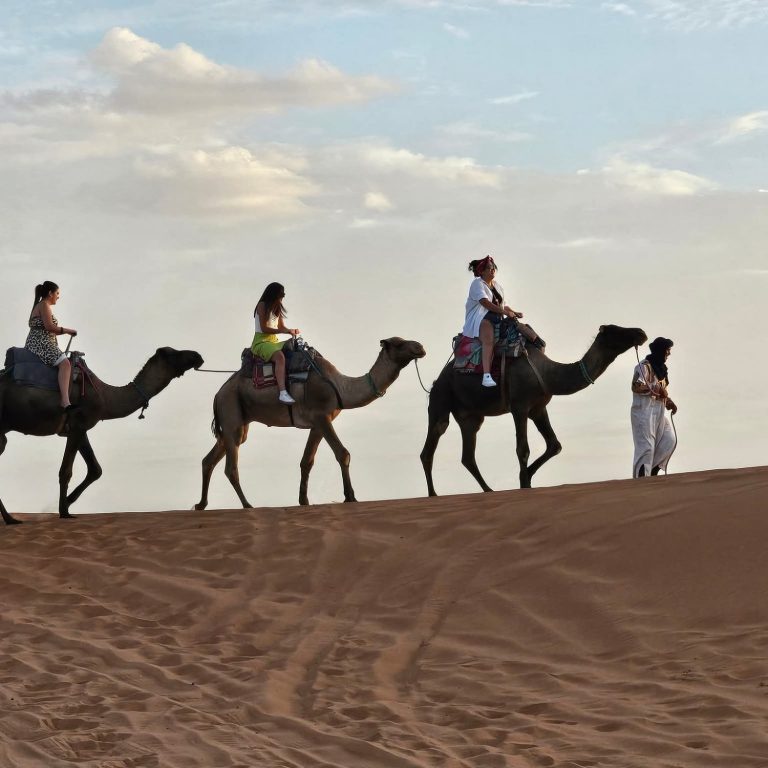
- Camel ride or short dune trek; henna art workshop.
- Night meditation and stargazing (one wish for every star!).
Day10
M’Hamid to Merzouga (via Draa Valley)
- Long but beautiful drive (7–8 hours) via Zagora, Tazarine, Alnif; fossil stops en route.
- Arrive Merzouga, check into a riad or camp near Erg Chebbi.
- Gentle back-opening yoga after the drive; Gnawa music in Khamlia village.
Day11
Merzouga: Sunrise at Erg Chebbi & Rissani “Medfouna”
- Pre-dawn camel ride for a spectacular sunrise.
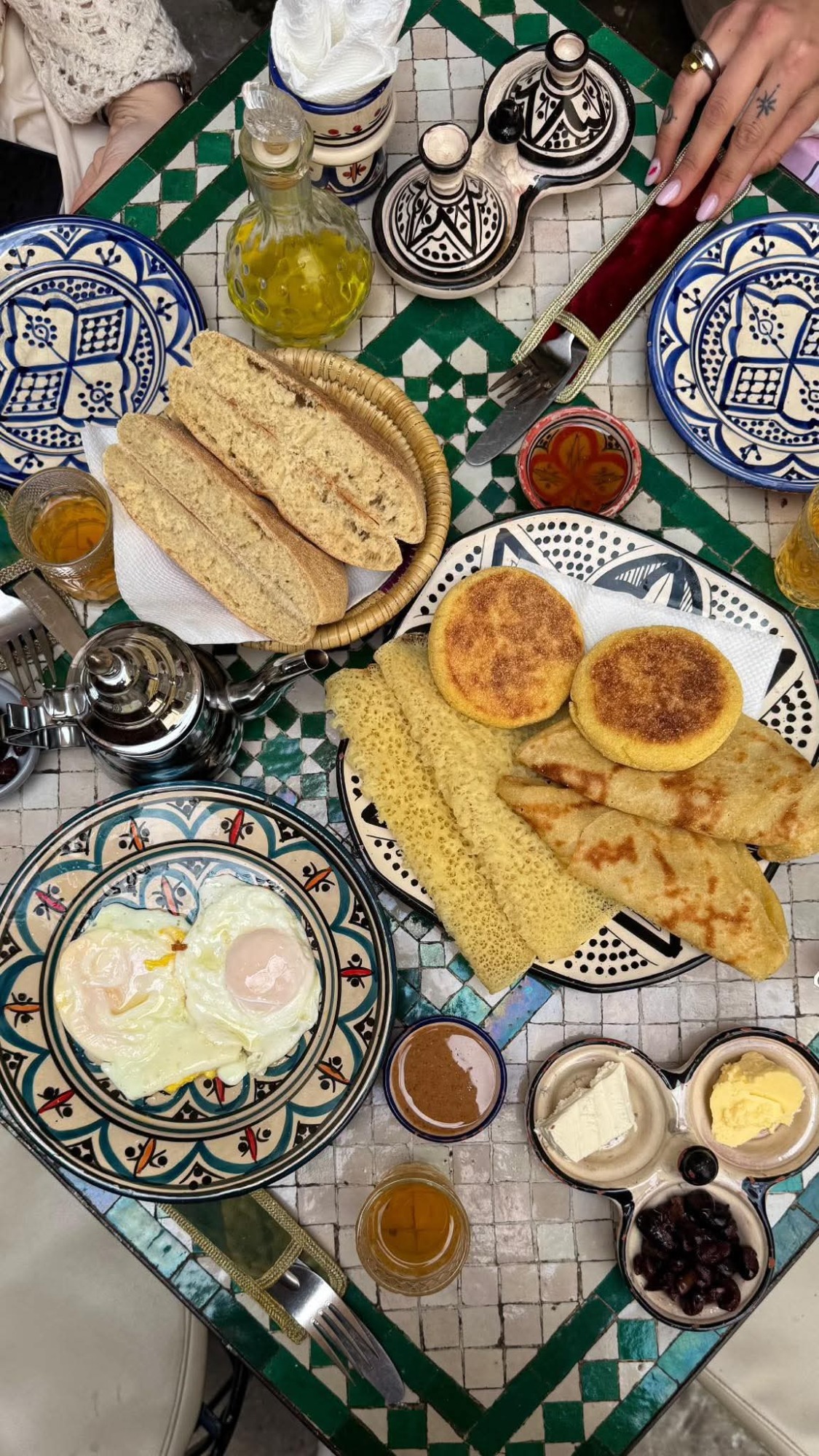
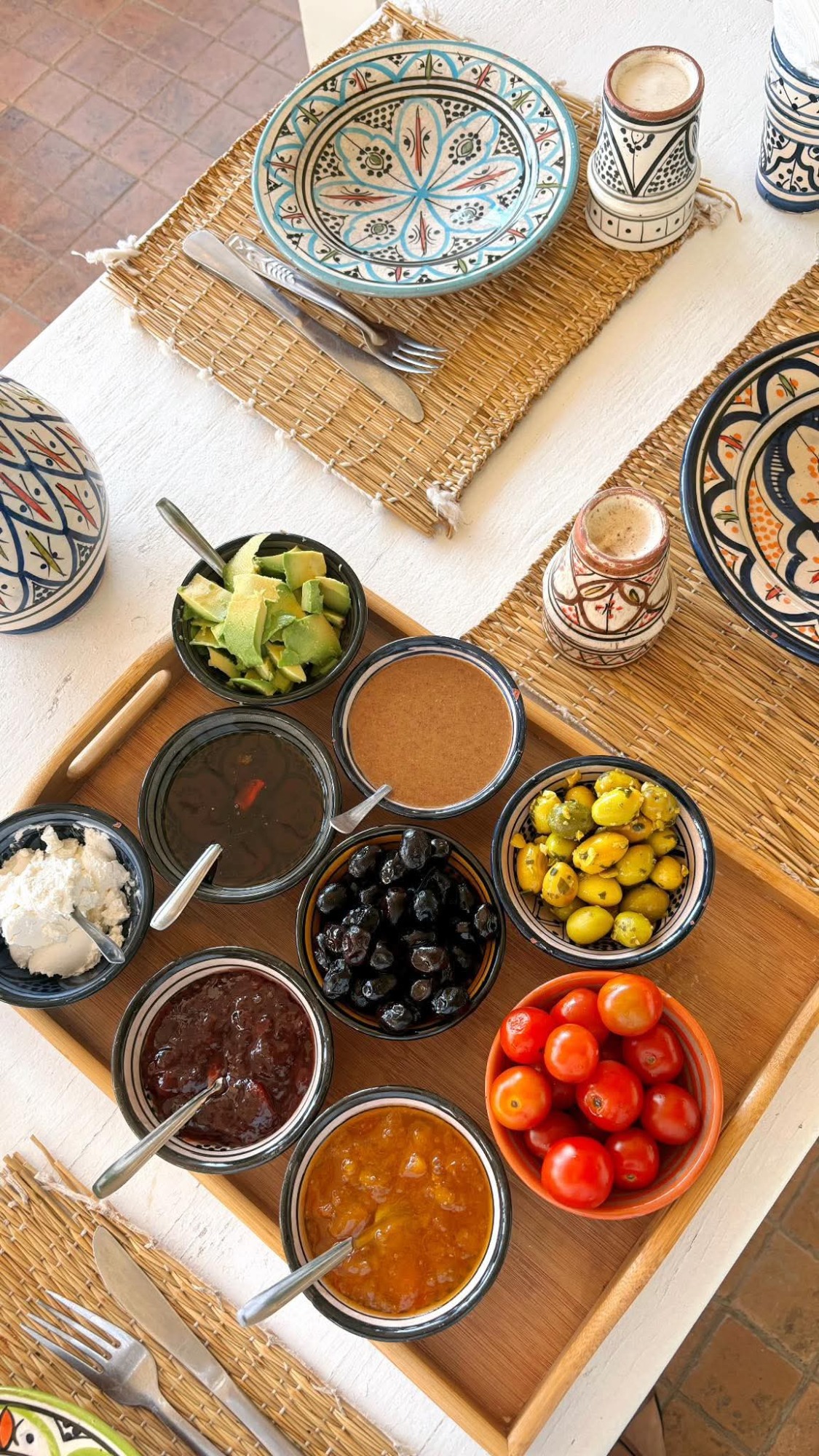
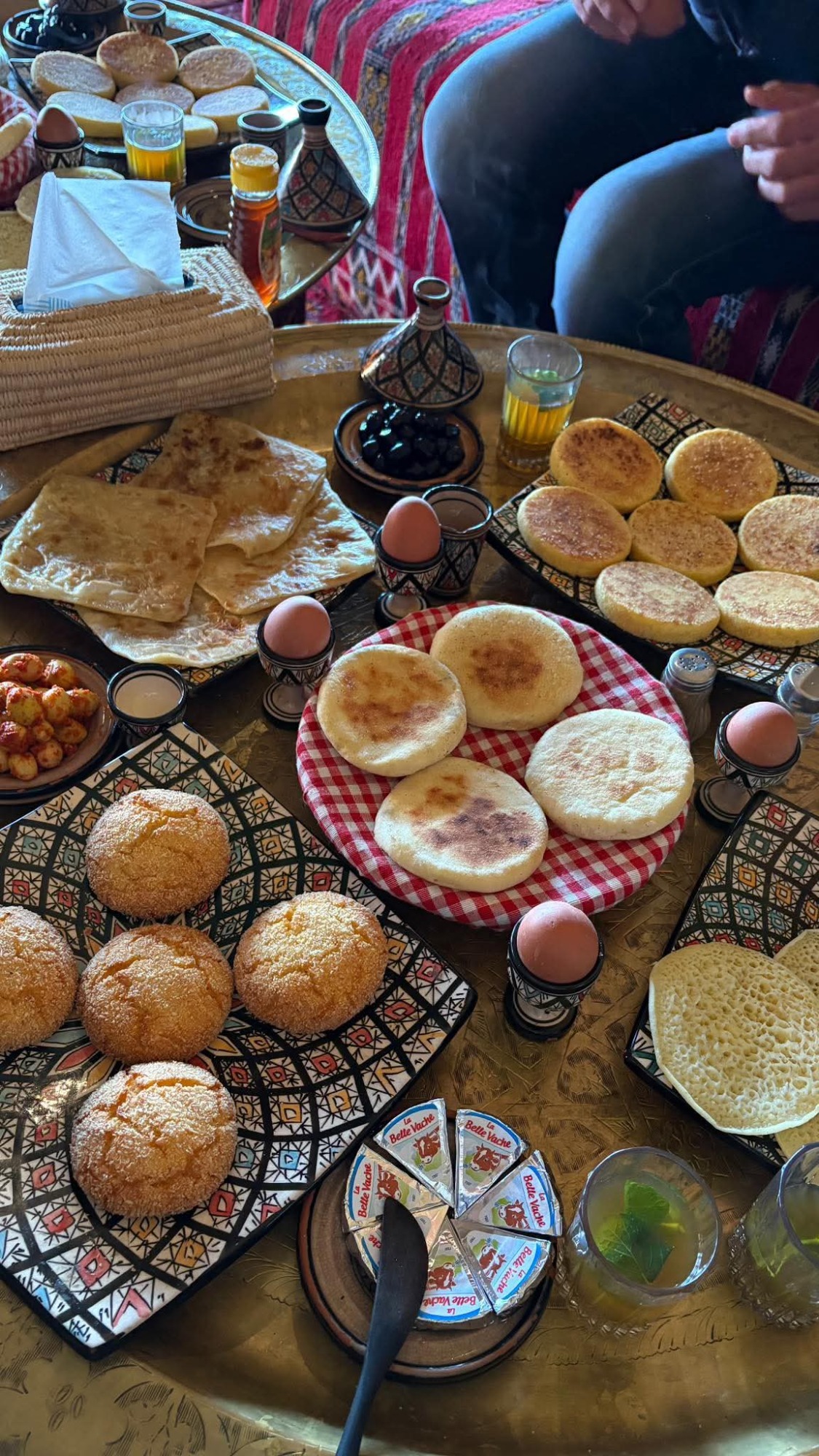
- Traditional breakfast; siesta or spa time.
- Trip to Rissani: cooking class for “Medfouna” (Amazigh stuffed flatbread) in an earthen oven; visit the weekly market if the day aligns.
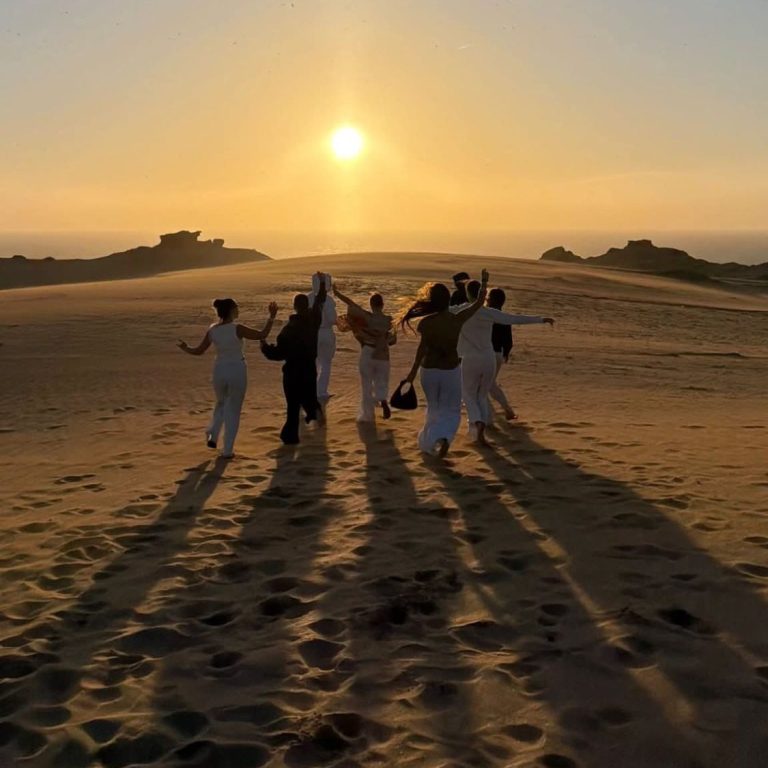
- Sunset yoga on the sands; dinner under the stars.
Day12
Return and farewell
- Return to Ouarzazate (about 6 hours) or directly to Agadir/Marrakesh per flights.
- Final hammam and farewell dinner. We’ll send you off with “double mint” tea for extra-sweet memories.
Magic Morocco Activities (throughout)
- Yoga & relaxation: two sessions daily (Hatha/Yin in the morning, restorative/meditation at sunset); mats and props provided.
- Cooking classes: tagines (fish/chicken/lamb), couscous, harira, pastilla, medfouna, Moroccan salads, simple sweets (ghriba, kaab el ghazal).
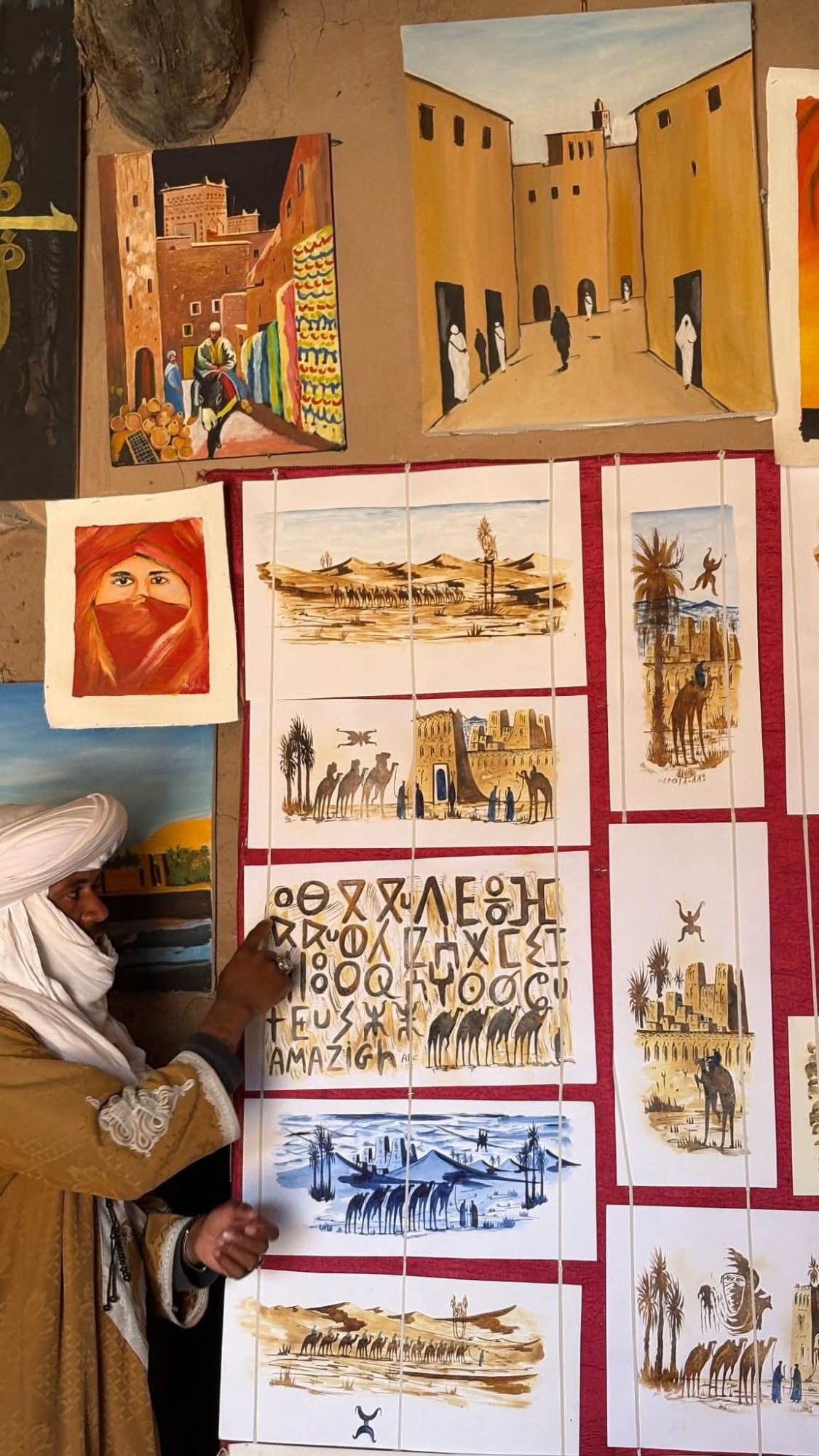
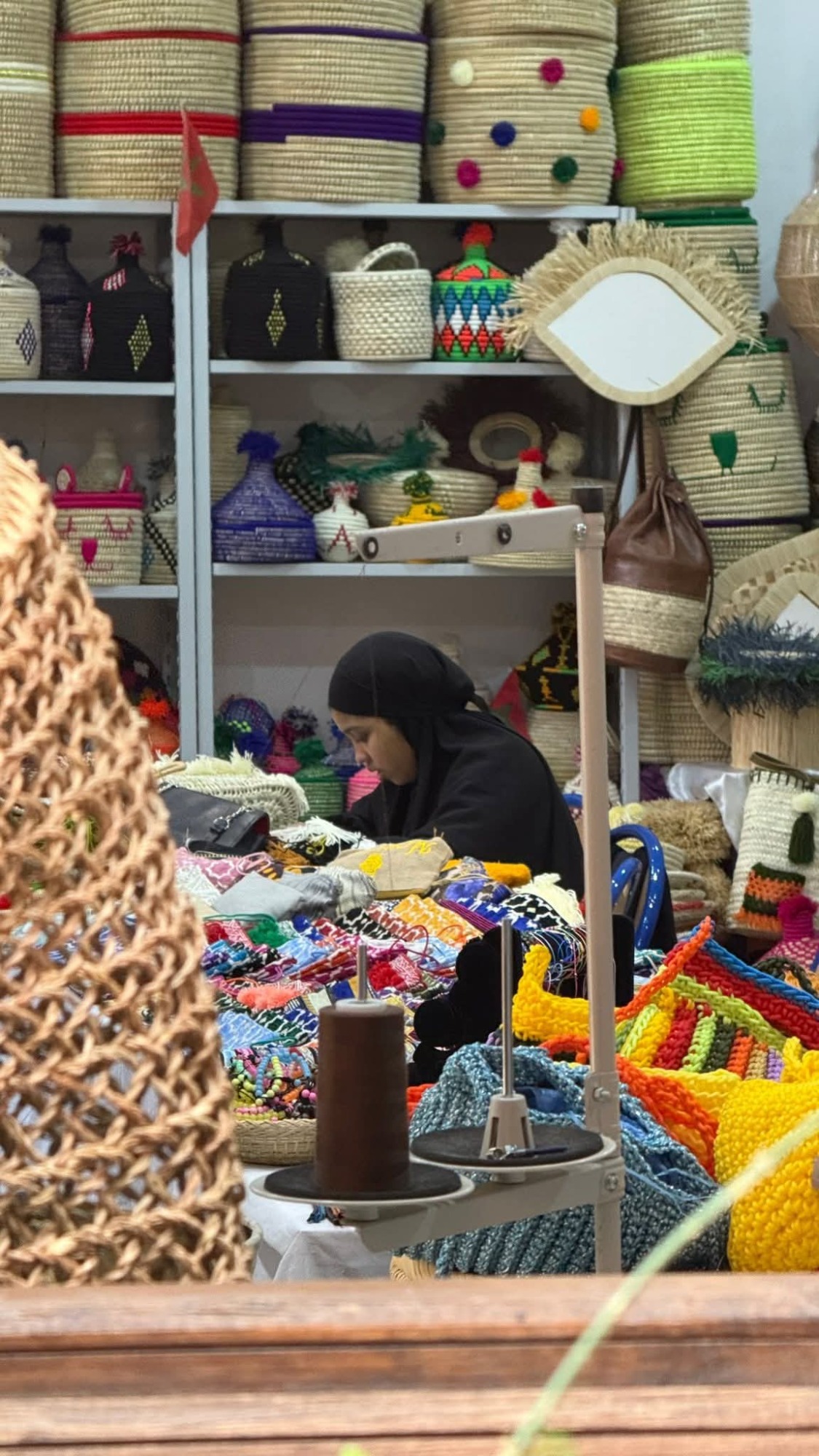
- Crafts: Thuya wood (Essaouira), argan cooperatives, Taznakht rugs, Tamegroute pottery, henna in the desert.
- Pampering: hammam rituals, argan-oil spa, optional massage.
Approximate Times & Distances
- Agadir ↔ Essaouira: ~3 hours.
- Agadir → Ouarzazate (via Taroudant/Taliouine/Taznakht): 5–6 hours.
- Ouarzazate → M’Hamid: ~5 hours.
- M’Hamid → Merzouga: 7–8 hours.
- Merzouga → Ouarzazate: ~6 hours.
Practical Tips
- Seasons: Spring and fall are ideal. Desert summers are very hot; winter nights can be cold.
- What to pack: Comfortable walking shoes, hat/scarf for sand, sunglasses, sunscreen, light evening layer, refillable water bottle, headlamp for camp.
- Culture: In the hammam, follow the attendant’s guidance. Haggling is part of the souk experience. Tipping is customary for good service.
- Safety: Don’t venture deep into the desert without a local guide. We provide pro drivers and guided desert activities.
Flexible Budget (rough per person in a group of 2–4, mid-range)
- Days 1–2: Essaouira (yoga, Thuya wood workshop, seafood cooking).
- Days 3–4: Agadir (Souk El Had, Paradise Valley, hammam, cooking).
- Days 5–6: Ouarzazate + Aït Ben Haddou (couscous, cinema flair).
- Days 7–8: M’Hamid (two desert nights at Erg Chigaga, yoga, sand bread), then depart via Ouarzazate. Alternatively swap M’Hamid for Merzouga if you prefer Erg Chebbi.
Magic Morocco Touches
- Friendly local guides in each city.
- Complete yoga setup and serene practice spaces.
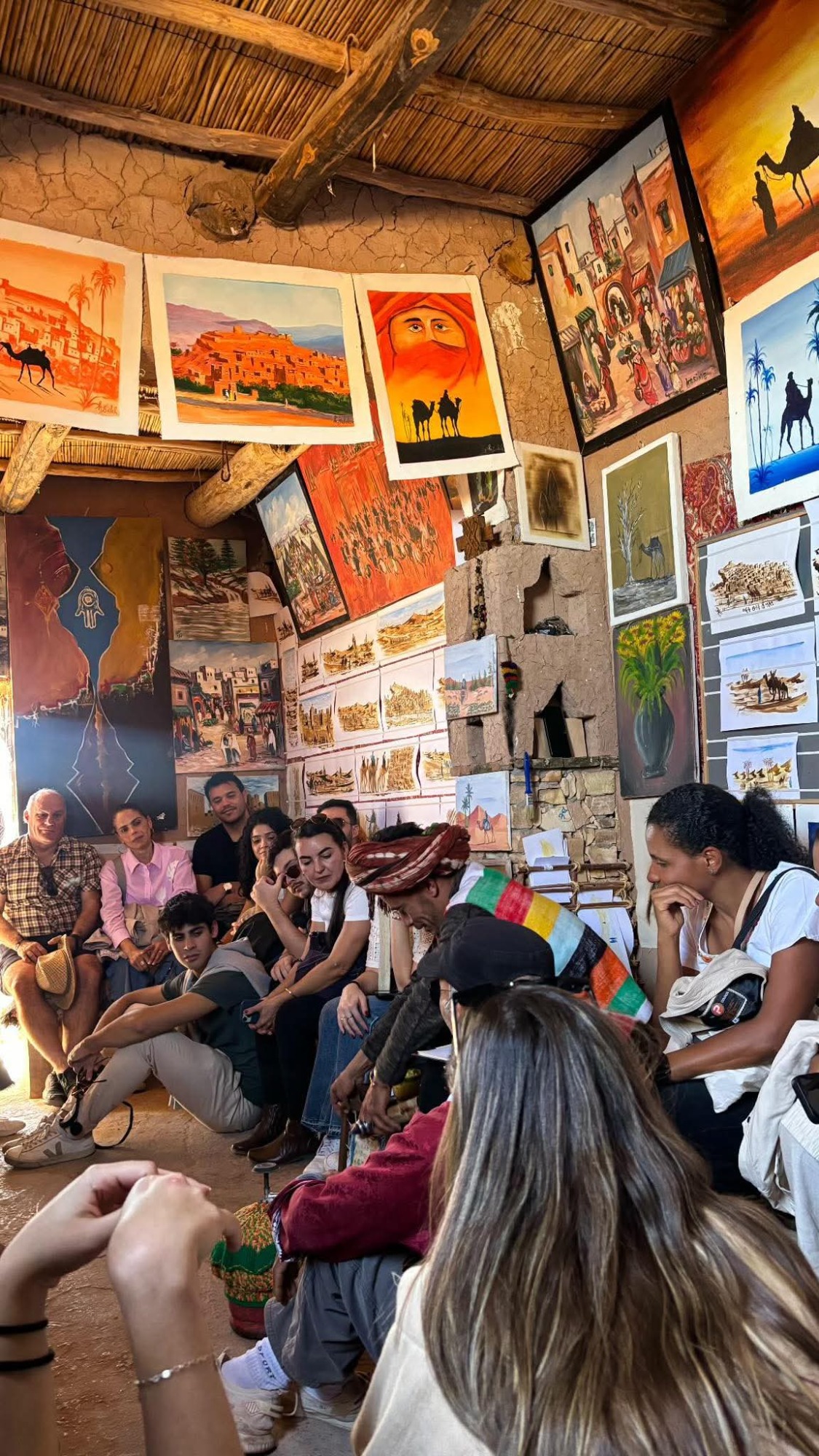
- Curated workshops with authentic artisans; cooking with local chefs.
- Flexible pacing to match your daily energy and interests.
Essential Tips to Plan Your Holiday in Morocco - Magic Morocco Agency
-If your holiday with Magic Morocco involves trips out to the vast expanse of the Sahara Desert, where you may be staying for several days, up to a week, or longer, you will need to be prepared. Here are some useful items that we recommend you pack before you leave on your trip of a lifetime to Morocco.
- A sleeping bag: While we provide plenty of blankets and sheets for your tented desert accommodation, it does get very cold in the Sahara on a winter’s night. Bring along your own sleeping bag, so that you’ll be snug as a bug under the spectacular, if chilly, Moroccan night skies, studded with a galaxy of shimmering stars. This is only really required on trekking over several nights or on the Sufi Retreat.
- A turban or scarf: This is an essential item when heading out on Morocco desert tours, as the simple garment will protect your face and hair from the harsh sun, as well as any sand that gets whipped up by the wind. If you’ve arrived for your holiday in Morocco and find you don’t have a turban — known locally as a “shesh” — or scarf, don’t worry. You can easily buy a “shesh” at a local shop or bazaar.
- Warm clothing: You’ll need to bring some warm clothes when you embark on a Morocco desert tour. Although temperatures are high in the Sahara during the day, they plummet at night, due to a lack of cloud to keep the heat in. While you might think you don’t need to pack heavy clothing for a trip to hot Morocco, you will need it when you’re out in the desert in the evenings in early spring, late autumn, and the winter.
- High-factor sunscreen to combat the strong sun.
- Good quality sunglasses that can filter out the sun’s harmful rays and protect your eyes.
- Solid footwear, such as good trainers, for all the walking you will be doing. Trainers are ideal footwear, whilst walking barefoot in the dunes can also be practical.
- Plenty of bottles of water for the car, but we provide enough bottled water for each person in the desert.
- You might also like to pack a torch and a Swiss army knife, and above all you should make sure that you bring lots of water with you on every car journey in the Sahara. We will of course provide water at the camps you’ll be staying at.
- Being well prepared for your Morocco desert tour will ensure that you have the time of your life on your desert magic tour.
In Morocco, as travellers, we are paying guests, exploring and learning about age-old traditions and fascinated by a world so different from our own. Customs and traditions based either on religion or habits passed down from generation to generation can seem strange, unusual, or odd. Listening, learning and observing, without necessarily understanding and without passing judgment, can enhance our pleasure of participating in this other existence.
As we move around and through this environment, we leave behind impressions of ourselves and our own world – we are the most important ambassadors. Let us ensure that the memories we leave are ones of warmth, generosity, openness, curiosity, modesty and respect for this different society and for the environment which others experience on a daily basis. Moroccans are very welcoming and hospitable people and it behoves us to keep faith with this.
Environmental aspects
The desert is very much alive – witness the myriads of animal tracks on your morning climb to watch the sunrise. It is also other people’s living space. With this in mind, and considering also that the dryness of the desert means that even a paper tissue rots only exceedingly slowly, please be careful to remove all litter.
Throughout Morocco it is important that we are conscious and careful of our water consumption. This is a country under constant threat of drought. We are all individually responsible for maintaining a sustainable environment wherever we are.
Of course, there are scorpions and snakes in the desert, but these rarely pose a danger and they avoid the proximity of humans. Only in summer is it advisable to keep an eye out. The reason for the guide along with you is for your own safety. Please do not venture beyond sight of the camp alone, as it is easy to lose a sense of orientation in the dunes.